

Columbus Mabika and Nelias Shiri
FROM state-of-the-art classroom blocks to free medical outreach services in remote corners of the country, the Zimbabwe Defence Forces (ZDF) is quietly transforming the country, one project at a time.
Through the Community Assistance Programme which is conducted as part of the force’s secondary role of providing Military Aid to Civic Communities, the ZDF has evolved from a traditional military force into a partner for national development, channelling its expertise and manpower to uplift under-served communities.
This initiative, which began as a modest effort focused on cleaning and maintenance of public facilities, has matured into a nationwide programme of building clinics, schools, bridges, housing and providing free health services.
At the heart of this transformation lies a simple but powerful philosophy that development is everyone’s duty.
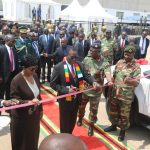
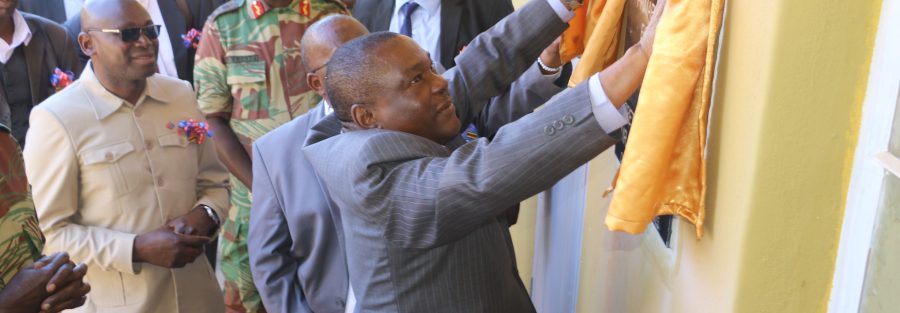
“This philosophy denotes that each and every person has a role to play in Zimbabwe’s development agenda,” said the Minister of Defence, Cde Oppah Muchinguri-Kashiri during the handover ceremony of a newly constructed dormitory block at Nhowe Mission in Mashonaland East province.
“The Defence Forces’ partnership with communities and other stakeholders has seen the sprouting of many projects where communities are contributing to the development and transformation of their own areas.
“I reserve my gratitude for the massive support we are receiving from different stakeholders that are contributing to the Zimbabwe Defence Forces Community Assistance Programme. This is ample testimony to the fact that, driven by a common purpose and vision, people can effectively mobilise resources to develop their communities,” said Minister Muchinguri Kashiri.
The ZDF’s approach is rooted in a symbiotic model, one likened to the relationship between fish and water. The military provides its skilled personnel, including engineers, artisans and medical staff, free of charge. In turn, communities contribute the material resources required for the projects. By removing labour costs, this partnership slashes construction expenses and enables projects that might otherwise remain pipe dreams.
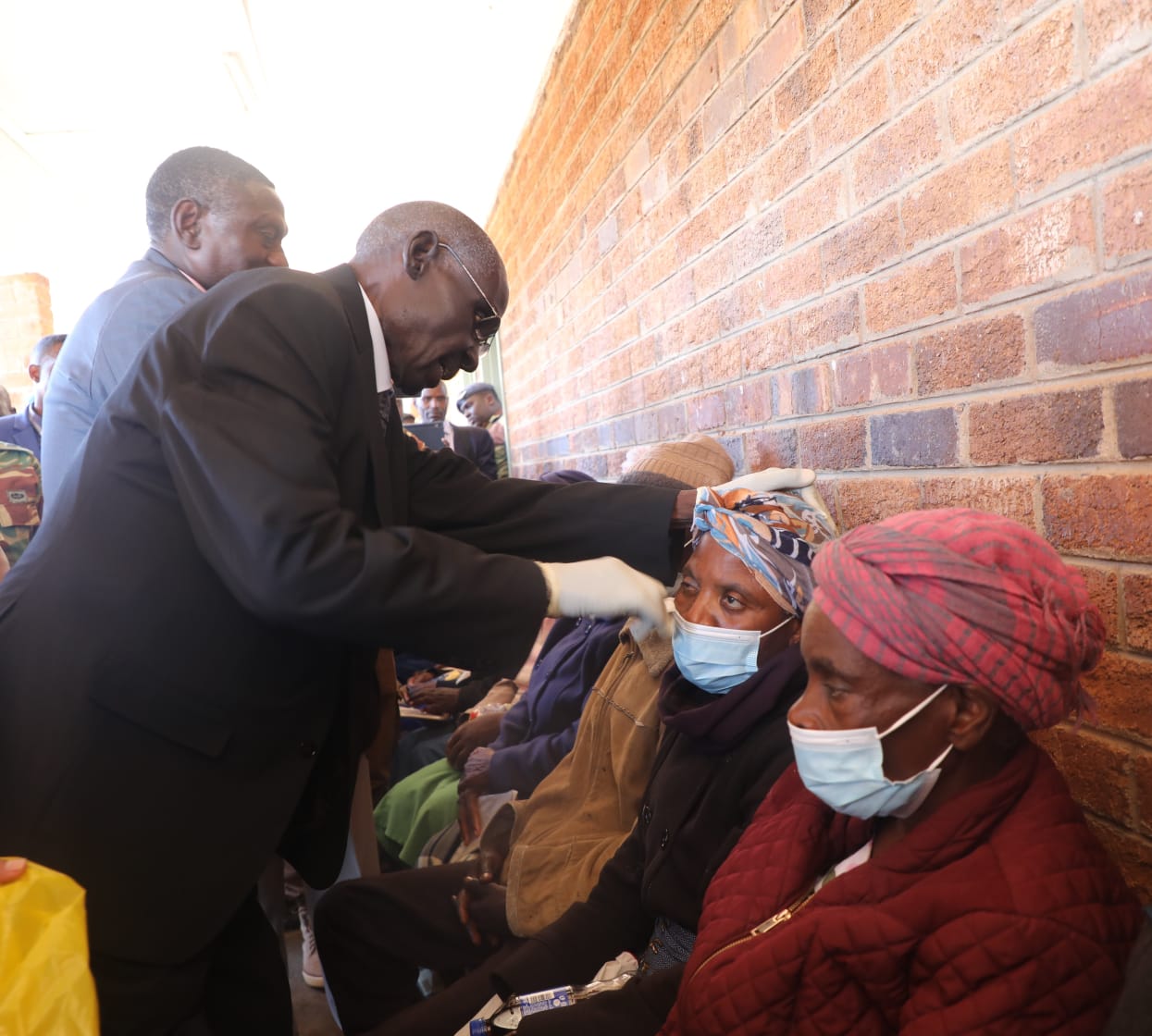
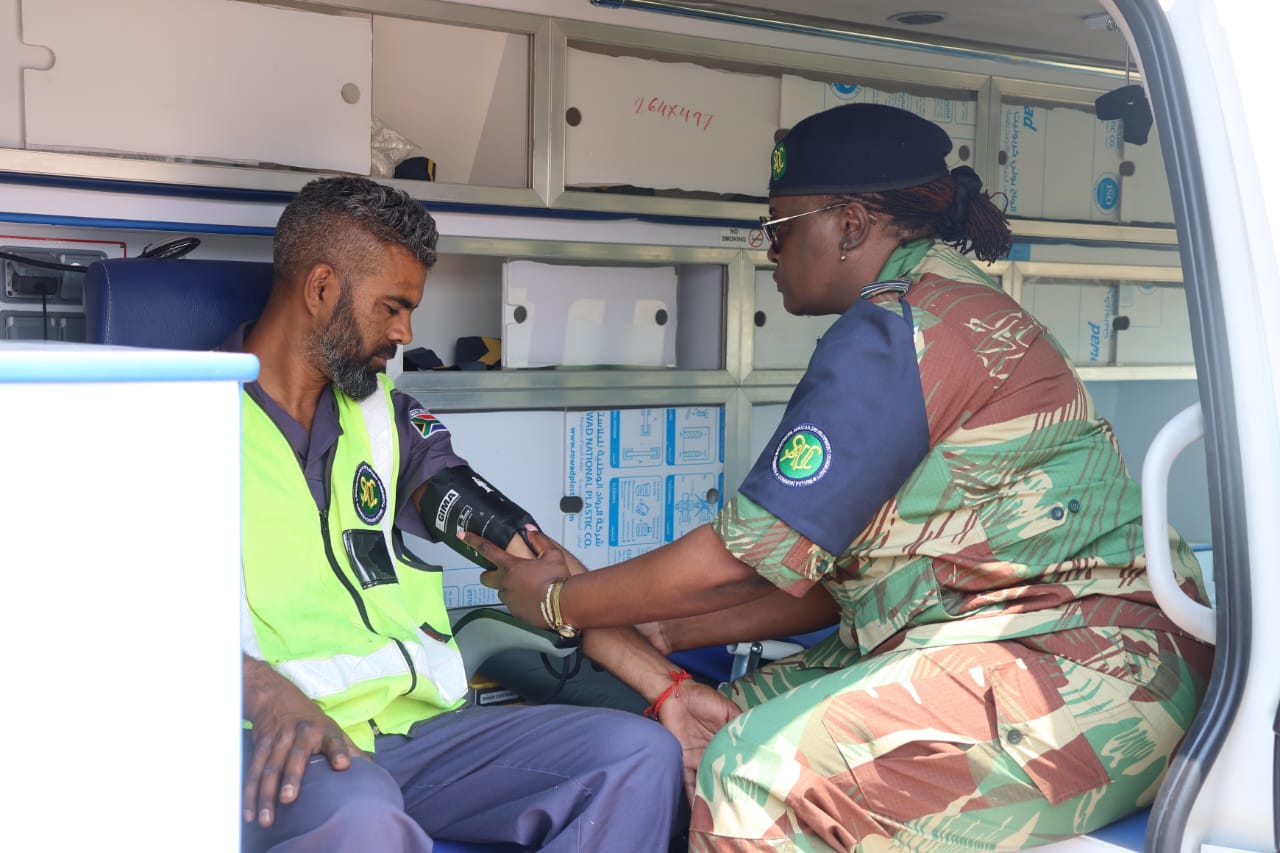
Over the years, the programme has expanded its reach from assisting mainly the health and education sectors to include supporting initiatives under the agricultural and national housing sectors. Hundreds of facilities, including modern classroom blocks, hospital wards, clinics and housing units, have been constructed and handed over to communities. Simultaneously, millions of people have received free medical treatment and cataract surgeries under the ZDF’s medical outreach campaigns.
The Deputy Minister of Defence Brigadier-General (Retired) Levy Mayihlome captured the spirit behind the community assistance programme while leading a medical outreach event in Maphisa, Matabeleland South province: “The Zimbabwe Defence Forces Community Assistance Week is our way of contributing towards the vision in transforming Zimbabwe into a prosperous society. We also use the programme as our modest way to express our gratitude to the community for the support we continue to receive as we discharge our mandate of safeguarding Zimbabwe’s independence, sovereignty and territorial integrity.”
At the grassroots level, the impact is tangible.
At Nhowe Mission, which benefitted from the recent dormitory construction, community leaders expressed heartfelt appreciation. “I want to thank the ZDF for the project. I also want to extend my thanks to all those who funded this project and the community for their assistance,” said superintendent Brian Gonzo.
Mashonaland East Minister of State for Provincial Affairs and Devolution Advocate Itayi Ndudzo thanked the ZDF “for their remarkable contribution to development through the construction of state-of-the-art infrastructure throughout the country”.
Mr Michael Masimba Ndoro, the headmaster of Warren Park 6 Council Primary School in Warren Park Harare, lauded ZDF’s commitment and dedication to transforming their learning environment.
“We derive pleasure from the facility constructed by the ZDF that has potential to stimulate our pass rate from 98% probably to 100%. Our relationship here with ZDF members was absolutely immaculate and they executed their work with diligence and dedication,” said Mr Ndoro.
A St Michaels High School in Mhondoro Mashonaland West Province, upper six student Claire Mukarati said she was shocked to see ZDF artisans participate in infrastructural development at the school.
“Honestly, when I was growing up I knew soldiers to be people that protect the citizens of the country. Therefore, I am generally surprised to see them involved in the development of this boys’ dormitory infrastructure. On behalf of the learners at St Michaels High School I would like truly express our gratitude towards the ZDF for investing in us as we are the future of the nation,” she said.
The school head of Gillingham Primary School in Dzivarasekwa, Harare, Mr Richard Murape applauded the ZDF artisans for their excellent workmanship and cooperation throughout the project.
Several projects were completed and officially handed over during the 2025 ZDF Community Assistance Week which ran from 28 July to 07 August. These projects include an eight classroom double storey block at Warren Park 6 Primary School in Harare, an Early Childhood Development (ECD) Block of two classrooms at Batanai Primary School in Mabvuku, another ECD block at Gillingham Primary School in Dzivarasekwa, Harare Metropolitan Province, a boys’ dormitory at St Michaels Secondary School in Mhondoro, a provincial veterinary office in Binga, an ablution block at Camelot Secondary School in Kwekwe, Midlands Province among others. Medical Outreaches were also conducted at Maphisa Clinic in Matobo and Malibeng Clinic in Beitbridge, both in Matabeleland South Province.
Dozens of other projects are currently at various stages of completion and are expected to be handed over to communities this year, proving that the ZDF’s work in peacetime is just as important as its mission in times of conflict.